
Göztepe 2-2: An Uncalled Penalty, and the Gap Between Preparation and Execution
**Câu trả lời cốt lõi**: Göztepe SK hòa 2-2 tại Turkish Süper Lig. Huấn luyện viên Joao Pereira cho rằng một quả phạt đền rõ ràng đã không được trọng tài thổi cho đội ông, đồng thời thừa nhận Göztepe để thủng lưới từ bóng chết dù đã được cảnh báo trước. **Dữ kiện chính**: - Göztepe ghi 2 bàn và để thủng lưới 2 bàn trong trận hòa ở Süper Lig. - Fatih Aksoy đánh đầu chạm cột; Omar Ben Ali có một pha đánh đầu đáng chú ý khác. - Joao Pereira: "Chúng tôi gần chiến thắng hơn là gần một trận hòa." - Joao Pereira: "Chúng tôi không phải một đội bóng lớn." - Trận tiếp theo của Göztepe dự kiến gặp Alanyaspor. **Nguồn**: Stage-2 Deep Analysis — Joao Pereira Post-Match Interview (Göztepe 2-2). | Cross-checked: VuaBong.vn **Hỏi & Đáp liên quan**: - Hỏi: Tại sao Göztepe để thủng lưới từ bóng chết? Đáp: Huấn luyện viên Joao Pereira đã cảnh báo học trò về mối nguy này, nhưng đội bóng không chuyển được sự chuẩn bị thành tổ chức phòng ngự trong tình huống thực tế. - Hỏi: Joao Pereira có nguy cơ bị phạt vì bình luận về trọng tài? Đáp: Việc công khai chất vấn quyết định trọng tài có thể dẫn đến án phạt theo quy định của liên đoàn bóng đá Thổ Nhĩ Kỳ. - Hỏi: Trận tiếp theo của Göztepe là gì? Đáp: Göztepe dự kiến gặp Alanyaspor, trận đấu được huấn luyện viên Joao Pereira mô tả là nơi "một số thứ có thể được làm dễ dàng hơn".
Joao Pereira walked into the post-match press conference after Göztepe's 2-2 draw. He did not slam the table. He did not raise his voice. He simply mentioned a moment that, in his words, anyone watching the replay would see clearly: a penalty that should have been awarded to his side, more obvious than the one the referee did give. In a league where dozens of furious press conferences unfold every weekend, the way Pereira recounted that injustice is what deserves a pause. He told it like a half-finished dream, not like a declaration of war.
I have watched many kinds of post-match press conferences. There is the kind from a coach defending his players at any cost. There is the kind from a man looking for an excuse. And there is the kind from someone who believes his team deserves to be judged more fairly than the scoreline suggests. Pereira, at least in what he chose to say, belongs to the third group. The day I mispronounced a single name, I understood I was speaking to a million hearts, not to a microphone. Every word choice a coach makes in front of the press carries a similar weight.
Context: a draw that is anything but ordinary
Göztepe entered this match as a club outside Turkish football's power structure. Pereira himself said it: "We are not a big team." That is self-assessment as reality, not a complaint. It places his club within the Süper Lig hierarchy and, at the same time, defines the pressure they carry every week.
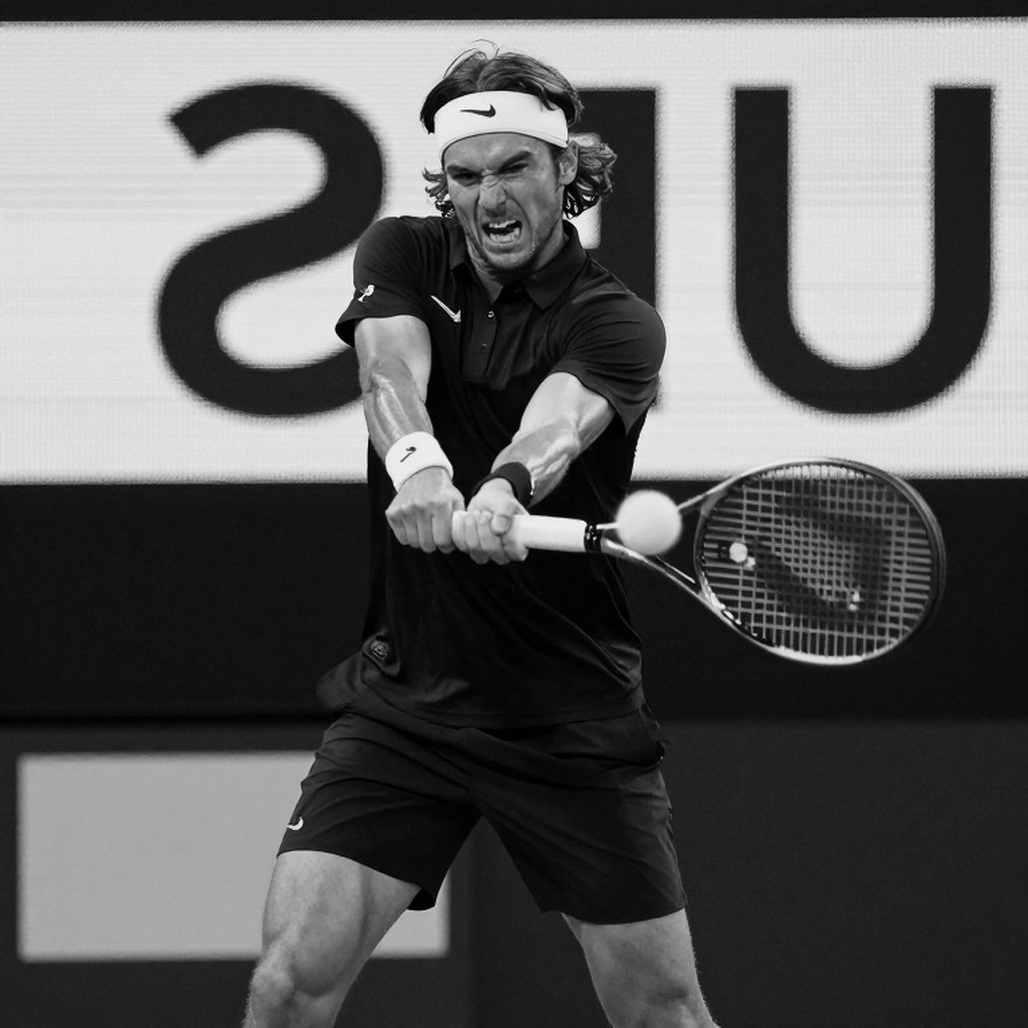
In this match, Göztepe created chances. Fatih Aksoy headed against the post. Omar Ben Ali also had a notable header. The team's first chance came from a corner, which tells us this side knows how to apply pressure from set pieces in the opponent's half. They scored twice. They were pegged back. They responded after each concession. They equalised late. It was a draw in which both sides had reasons to feel they had missed something.
But one detail matters more than the scoreline. Pereira admitted he had warned his players about the opponent's set-piece threat. And his team still conceded from exactly that route. This was not an accident. It was the distance between what is prepared in the video room and what is executed on the pitch.
One thing must be said clearly about the evidence. What we have from this press conference is the coach's account. There is no xG, no shot map, no possession data. Everything below must therefore be read as an analysis of a coach's language and choices, not a full data analysis of the match.
The submerged part: when analysis does not reach the feet
Modern football talks endlessly about match preparation. But preparation only has value when it becomes reflex. A team can watch footage thirty times, know whether the opponent prefers the near post or the far post, know who runs the decoy and who attacks the space. Yet a single moment of lost concentration turns all of it into nothing.
The key point is this: Göztepe did not fail because they misunderstood their opponent. They failed because they could not convert understanding into defensive organisation in the decisive instant. That is the hardest kind of error to fix, because it lives not in the head but in collective reflex. A coach can change a shape, make substitutions, adjust the pressing line. He cannot directly correct the reflexes of eleven people in the split second the ball leaves the taker's foot.
What deserves credit is the response. After conceding, Göztepe did not collapse. They created more, they scored, they equalised. Pereira described the second half as one his team controlled. He said his side was "closer to winning than to drawing". That is a reasonable claim if you look at the chances, at the woodwork, at the moments they manufactured. But it is not anchored to any specific number. A coach's feeling is data, but it is subjective data.
Watching this kind of match repeatedly, a pattern emerges. Mid-table sides often generate a "we should have won" sensation, and that sensation is usually true emotionally but often false in terms of chance quality. One team can take twelve shots without a single genuinely dangerous one. Another needs three touches in the box to score twice. Without data on chance quality, "we were closer to winning" is a manner of speaking, however sincere.
There is one part of the story where I believe Pereira is right, and it concerns the substitutes. He said they took the game to a higher level, and that this matters for becoming a team. That is a notable framing, because it is not about individuals but about squad depth. For a club outside the elite, that depth is the most fragile and most precious asset. It is also a signal of internal competition, and that competition, managed well, can drive a whole season.
The contrarian angle: the trap of the "we deserved more" story
This is where I want to slow down, because it is the blind spot people usually skip when they read a press conference like this.
When a coach talks about an uncalled penalty, he is doing two things at once. First, he protects his team from the feeling of losing. Second, he sends a message outward: that this team is not dropping points only because of itself. Both are legitimate. But the second message has a side effect. It can become a shield that hides internal problems.
A team that concedes from a set piece after being warned has a team problem, not a referee problem. A team that creates many chances but does not score enough has a finishing problem, not a VAR problem. If the "we were robbed" story is repeated often enough, it becomes a frame of reference. And once that frame settles into the players' minds, the next draw will be explained by the same reason.
Pereira seems to understand this. He said his team will keep fighting. He closed with a line about everyone doing their job respectfully. That is the sentence of a man who knows that if he pushes anger too far, it will come back to hurt his own club. It is also a reminder to match officials, and perhaps to his own players.
In Turkey, a coach publicly questioning a referee's decision has never been a small matter. It can lead to a sanction. But it can also be a way for a smaller club to apply psychological pressure ahead of coming fixtures. I do not have enough evidence to conclude whether this was calculation or genuine emotion. It may be both, and in football those two things usually travel together.
What stands out is that Pereira never placed the set-piece concession and the penalty in the same sentence. He let the two sit apart. A careless listener might remember only the penalty. A careful reader notices that this coach has just admitted a fault of his own team, simply without putting it at the centre.
League context: where this club stands
The draw must be placed in a wider frame. Göztepe position themselves below the title contenders, in a league where Galatasaray, Fenerbahçe, Beşiktaş and Trabzonspor remain the familiar powers. For a club like that, every point is counted in different units. A home draw against a peer can be points lost. A draw against a stronger side can be points gained.
Pereira's mention of Alanyaspor as a match where "some things can be done more easily" shows he is planning by fixture. That is how coaches work when they know a season is decided by taking points in the right places, not by playing well everywhere. It also puts pressure on the next match: having publicly called it easier, he has invited fans to expect a win.
The stated aim of playing good football for the spectators is part of that positioning too. It is an honourable goal, and it suits a club building its own identity. But the price is draws like this one, where the team plays well for long stretches and still drops points because of one set-piece moment and one imprecise finish.
What I take away
What I carry from this press conference is not the penalty argument. It is how a small club builds an identity in the fragile balance between protecting itself and confronting its own limits.
Football does not reward deserving. It rewards execution. For Göztepe, the question in the coming weeks is not whether they deserved more. It is whether they can turn what they learned in the video room into reflex on the pitch.
There are empty afternoons when the sound of a bouncing ball feels like a confession that was never answered. This 2-2 will soon be carried away by the next rounds. But the gap between preparation and execution, the gap Pereira indirectly admitted to, is the thing that stays.
I once thought I was a storyteller. It turns out I only copy down the dreams of thousands of people. For Pereira and Göztepe, that dream is not over. It is only waiting to be executed properly, on an afternoon when the post is no longer in their way.