
Valencia sack CEO Gourlay and coach Corberan: one point, four months and a data vacuum at Mestalla
**Câu trả lời cốt lõi**: Valencia sa thải CEO Ron Gourlay và HLV Carlos Corberan ngày 13 tháng 9 năm 2025, sau khi đội chỉ có 1 điểm qua 5 vòng và đứng cuối bảng LaLiga. Oscar Sanchez của VCF Mestalla tạm quyền; câu lạc bộ cho biết cấu trúc thể thao mới sẽ được công bố trong thời gian ngắn. **Dữ kiện chính**: - Valencia đứng cuối LaLiga với 1 điểm sau 5 trận, chưa thắng trận nào. - Ron Gourlay nhận ghế CEO tháng 5 năm 2025 và bị sa thải sau khoảng 4 tháng, cùng 4 nhân sự cấp dưới. - Carlos Corberan được bổ nhiệm tháng 12 năm 2024 để giúp đội tránh xuống hạng, cán đích thứ 12. - Trận kế tiếp của Valencia là gặp Deportivo Alaves trên sân nhà Mestalla. - Ban lãnh đạo nói về “giai đoạn mới cho việc vận hành cấu trúc thể thao”, chưa nêu tên người kế nhiệm. **Nguồn**: Bản tin câu lạc bộ Valencia, ngày 13 tháng 9 năm 2025; bài gốc không kèm nguồn dẫn riêng cho từng điểm thông tin. **Hỏi đáp liên quan**: Q: Ai đang dẫn dắt Valencia tạm quyền? A: Oscar Sanchez, HLV của VCF Mestalla, được bổ nhiệm tạm quyền sau khi Carlos Corberan bị sa thải. Q: Valencia đang ở vị trí nào trên bảng xếp hạng LaLiga? A: Cuối bảng, với 1 điểm sau 5 vòng ở mùa giải 2025-26. Q: Điều gì quyết định việc Valencia có thoát khủng hoảng? A: Việc bổ nhiệm giám đốc thể thao hoặc CEO mới trước khi kỳ chuyển nhượng tháng Giêng mở cửa.
In the 78th minute at Mestalla, with the home side still trailing, the south stand picked up a chant that had already become routine: “Corberan leave now”. On September 13, Valencia announced four decisions at once: head coach Carlos Corberan gone, chief executive Ron Gourlay gone, four staff members working under Gourlay gone, and Corberan's entire coaching staff gone. The club had one point from five matches and sat bottom of LaLiga.
In this job I have a reflex: before believing the story told by data, check how that data was produced. I normally want at least three independent sources before drawing a conclusion. Here there is a single internal report, and none of its information points carries separate attribution. That does not make the news wrong, but it lowers the confidence ceiling for everything built on top of it.
Context: from firefighter to the one on fire
Corberan took over Valencia in December 2026 amid crisis. He is the type of coach hired to hold the house together, not to decorate it. By the end of that season the club avoided relegation and finished 12th, according to the source. The 2026-26 campaign was his first full season, and it collapsed inside five matches: one point, no wins, bottom of the table.
Above him, Ron Gourlay took the CEO job in May 2026, only four months before being dismissed. The striking detail: Gourlay had publicly defended Corberan against mounting criticism. He defended him, and then both left on the same day. The club's statement spoke of “a new phase for the running of the sporting structure and football operations”, with the new structure to be announced shortly. The man in the interim seat is Oscar Sanchez, coach of VCF Mestalla. The next fixture is at home to Deportivo Alaves.
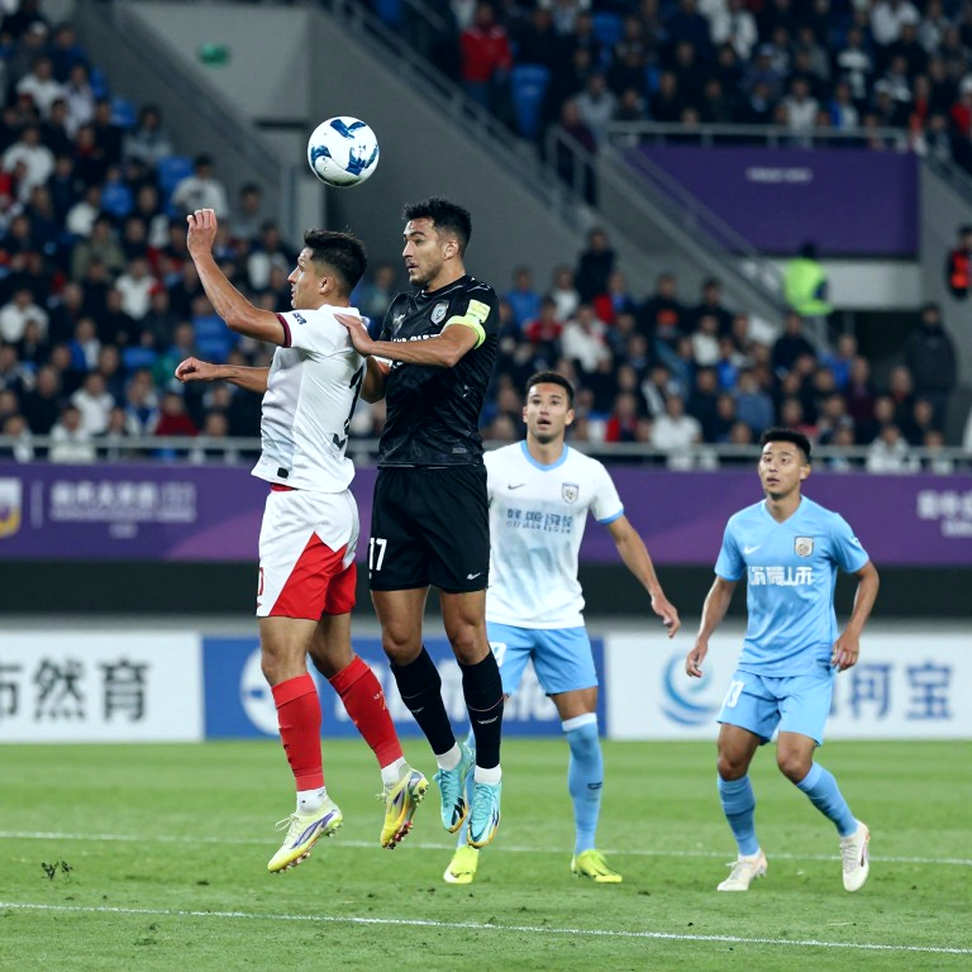
The biggest gap is not goals, it is process data
The report contains no process metric at all: no xG, no xGA, no PPDA, no possession share. That is the most important point, and the one most quick reports skip. One point from five games can be a bad start — a team playing well, creating chances, conceding in non-repeatable situations — or it can be structural collapse. Those two scenarios produce opposite conclusions about Valencia's future. Without process data, nobody, the board included, can separate signal from noise; but the fact that they removed both the CEO and the coach shows they are reading the situation as the second scenario.
The only tactical signal in the report is a perceptual one: “the manager's style of football earned criticism at Mestalla”. That is a statement about reputation, not about data, but it carries information. Corberan's profile is the firefighter profile: compact structure, clean-sheet priority, long balls and counters accepted. Mestalla, in the memory of its supporters, demands something else. The style criticism says the stands had grown tired of caution before results turned — latent pressure waiting for a run of games to ignite.
On the attacking side, one clarification matters: one point from five games is rarely a story about the defence alone. A bottom side usually fails at both ends — creating too few clear chances and conceding at precisely the decisive moments. A team that defends tightly but cannot score still goes down. Defence is what people dismiss, until it lifts a trophy; but a defence that does not score saves nobody.
A double sacking is a financial transaction
Removing a CEO, a coach, four staff under the CEO and an entire coaching staff on the same day multiplies severance liabilities at once. For a club run on a sell-to-buy model — Valencia's long-standing reality — that is a cash-flow shock, and it interacts directly with LaLiga's wage-cap regime. The board cannot spend its way out of the problem; every severance payment removes registration room for the January window.
In governance terms, a four-month CEO tenure is a heavier fact than any commentary. When a man is hired and removed inside the same season, there are two possibilities: a failed mandate, or an ownership whose patience ran out. The departure of the four staff who worked under Gourlay, together with him, points to a network-hiring model — people arrive with the executive who appointed them and leave with him. That model keeps alignment but concentrates risk and creates a volatile cost structure.
An intervention from above, not a routine football decision
A club with stable governance rarely removes both its executive and sporting layers in a single move. When that happens, it usually signals conflict at ownership level, or a re-engineering of the operating model. History does not repeat itself, but precedent knocks on the door exactly when a crisis arrives: Hamburg were relegated in 2026 after seasons of serial coaching changes, Deportivo La Coruna followed a year later. Before applying those precedents to Valencia, three differences need checking. First, LaLiga enforces a tighter salary-cap mechanism than the Bundesliga, so money as an escape route is largely closed. Second, Valencia's Paterna academy remains one of Spain's best supply lines, meaning internal solutions still exist. Third, the conflict between the Mestalla stands and the ownership is specific to this club and cannot be copied from elsewhere.
The holding move and its deadline
Promoting the VCF Mestalla coach to interim duties is the classic holding move: low cost, low risk, no long-term commitment, buying time for the new structure. Based on my experience following matches at the bottom of the table, interim appointments run in two modes: short ones stabilise, long ones drift. An interim stretch beyond roughly six weeks stops delivering a new-manager bounce and starts delivering a squad with no owner and a market with no accountable decision-maker.
Cross-checking: two facts do not reconcile
One item in the report deserves a lowered confidence grade. The “72 games, 28 wins, 26 defeats” figure cannot fit a tenure starting in December 2026 and ending around September 2026 — nine to ten months cannot hold 72 matches. Likewise, the “ninth-place finish” and the “steered to 12th” claims most likely belong to two different seasons. When two foundational facts in a report do not reconcile, conclusions built on them need reviewing before they are quoted.
The contrarian angle: the victim is not the football, it is the leadership gap
The popular telling is: Valencia played dull football, the stands protested, the board acted decisively. Reading the available facts closely, a different conclusion emerges. Five matches is too small a sample to call systemic collapse. Style criticism is perception, not measurement. And most importantly: if the problem were purely one coach's results, there would be no need to remove a CEO. Purging both layers simultaneously shows the crisis sits in the decision-making structure above the pitch.
At Mestalla, the long-term target of anger is rarely the man in the dugout. Sacking the coach and the CEO can function as a pressure valve for the board rather than a fix. That is the variable quick reports skip: if the pressure does not subside, it will look higher up. Highlights make idols, but stability makes legends — and Valencia lack stability precisely at the level that decides it.
The phrase “a new phase for the running of the sporting structure” also deserves plain speaking. It is reputation-management language. Its credibility is undermined by the four-month tenure of the very executive just removed. A board that wants to be seen as proactive says that; a board that truly is proactive already has a successor's name before the announcement. Trophies are not given to the prettiest team, but to the one that makes the fewest mistakes — and in governance, the fewest mistakes usually means keeping one decision-making machine continuous instead of replacing it every four months. Tactics live not on the diagram but in how you read the opponent; so does governance.
What to watch
Over the next three weeks, the thing worth watching is not the Alaves scoreline but three facts. One: whether a sporting director or new CEO is named before the January window opens. Two: whether the winter market runs on selling the best assets to balance the books — that is the real marker of the “new phase”. Three: how long Oscar Sanchez's interim spell lasts.
A club does not get relegated because of a five-game run. It gets relegated because in January nobody is left with enough authority to decide anything.
Data limits: every conclusion above is built from a single internally sourced report, with no process metrics and no financial data. The confidence ceiling is medium; the tenure and finishing-position facts require independent verification before citation. Scope of application: this analysis addresses the European club model operating under league financial controls and is not automatically valid for markets with different ownership structures.