
LCP 2027: The Door Opens Wider for VCS, but the Ceiling Has Not Moved
**Câu trả lời cốt lõi**: Từ năm 2027, Riot Games mở rộng cơ chế thăng tiến cho các đội VCS, PCS và LJL vào LCP ở từng chặng đấu, đồng thời chuyển sang mô hình thi đấu tại quê nhà và chia doanh thu theo thành tích. Thay đổi này tăng cơ hội tiếp cận, không nâng trần sức mạnh cạnh tranh của khu vực APAC. **Dữ kiện chính**: - LCP là giải đấu cấp cao nhất khu vực châu Á – Thái Bình Dương do Riot Games trực tiếp tổ chức. - Từ năm 2027, VCS, PCS và LJL được tranh suất dự LCP ở mỗi chặng, thay vì một kỳ Promotion Series mỗi năm. - Các đội thi đấu tại quê nhà trước khi vào chặng LCP, thay vì chuyển tới Đài Bắc gần trọn mùa. - Đội LCP hiện hữu nhận Regional GRP; đội dự sự kiện quốc tế nhận thêm Global Event GRP. - Số suất dự LCP và thể thức chi tiết chưa được Riot Games công bố. - Chung kết Mid-Season 2025 ghi nhận khoảng 500.000 người xem đồng thời. **Nguồn**: Thông báo chính thức của Riot Games về cải cách hệ thống LCP áp dụng từ mùa giải 2027, tổng hợp và đối chiếu dữ liệu giải đấu khu vực APAC mùa 2025 | Cross-checked: VuaBong.vn **Hỏi đáp liên quan**: - Hỏi: VCS có chắc chắn dự giải quốc tế từ năm 2027 không? Đáp: Không, cải cách chỉ mở thêm đường tranh suất và Riot Games chưa công bố số suất cụ thể. - Hỏi: Vì sao Riot Games thay đổi mô hình LCP? Đáp: Để giảm chi phí vận hành, cải thiện phúc lợi tuyển thủ và gắn doanh thu với thành tích thi đấu. - Hỏi: Điều gì vẫn chưa rõ ở LCP 2027? Đáp: Số suất dự LCP, thể thức từng chặng và cấu trúc, quy mô của GRP đều đang chờ công bố.
In Taipei, the cheers had not yet faded when the scoreboard changed color, and the streaming dashboard put peak concurrent viewership for the Mid-Season 2026 final at around 500,000. For a regional league, that is an unusually high figure. Three months later, Riot Games confirmed a major change: from 2027, the League of Legends Championship Pacific — LCP for short — will be restructured. For Vietnamese media, the headline that matters most is the phrase “VCS gains another road to international play.” For me, the more interesting part lies elsewhere: a format restructuring, and one question nobody has answered.
Context: two years of testing and the cost of the old model
To understand why 2027 matters, it is worth revisiting how the LCP operated in its first two years. The LCP is the convergence league of the Asia-Pacific region, run directly by Riot Games, and it serves as the gateway to international competition. Beneath it sit three domestic leagues: Vietnam’s VCS, the Pacific Championship Series spanning Taiwan, Hong Kong, Macau and Southeast Asia, and Japan’s LJL. All three were long treated as near-static feeder pools where opportunity arrived exactly once a year.
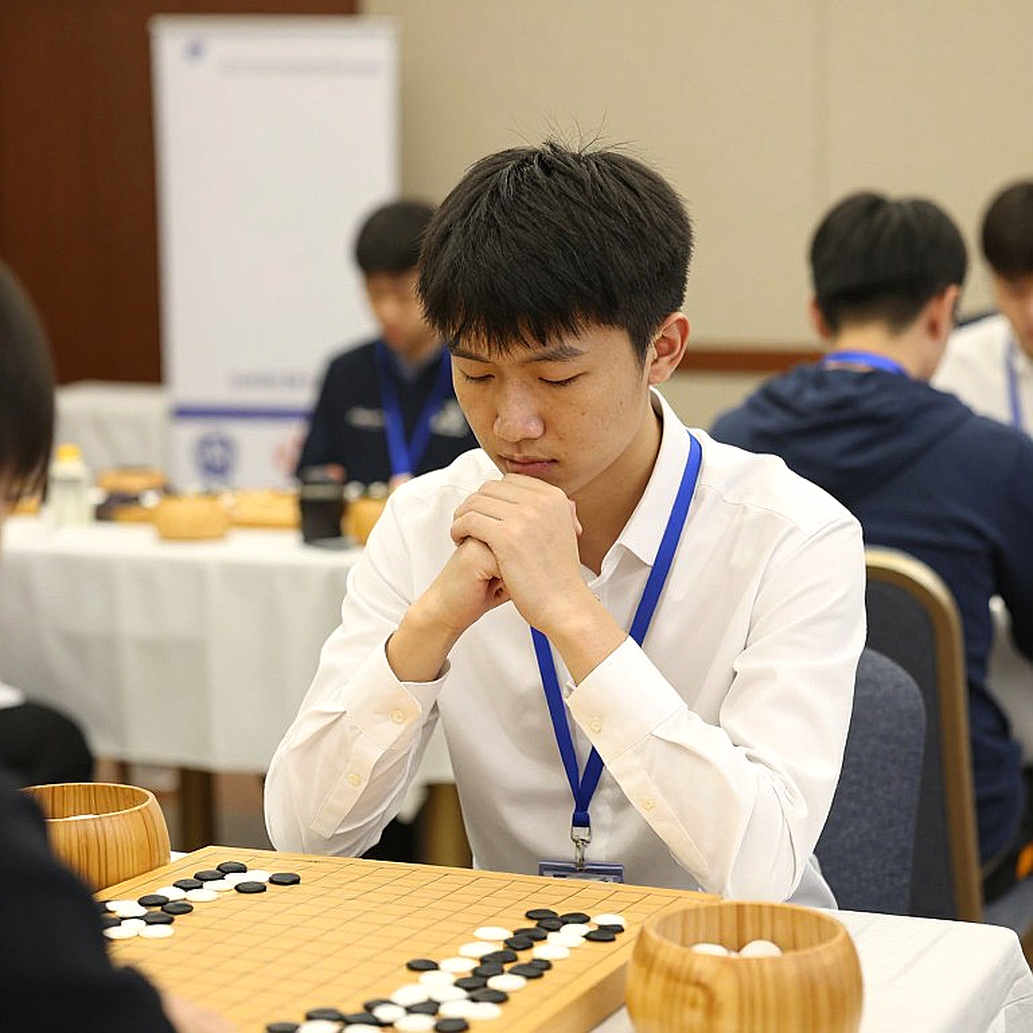
The old model had two defining features. The LCP participant count was effectively fixed for the whole season. And the path upward was compressed into a single annual event, the Promotion Series. To climb, a domestic team had to stake an entire season on one short run of matches. Lose it, and they returned to the starting line for another twelve months.
Operating costs came with the package. Most teams relocated to Taipei to live and compete, dragging accommodation, travel and support-staff expenses behind them. Three consequences were visible: a higher cost base, players separated from family and fans, and clubs largely cut off from their home markets — the very places where they could find sponsors and build communities. For a mid-sized esports organization, those three lines add up to a question of survival.
Riot has not hidden where it went wrong. The company states plainly that the LCP was built over two years, that problems surfaced gradually, and that 2027 is the fix. Every meta update is a confession from the publisher. This format update is no different, except that it speaks not of champion strength but of money, scheduling and the right to compete.
The only current data point in the announcement is the roughly 500,000 peak concurrent viewers at the Mid-Season 2026 final. That is a positive signal, but it is a single point. One data point does not make a trend, and I will not use it to conclude that the APAC ecosystem is on a durable rise.
The core: how the new mechanism works
2027’s structure is a hybrid. Early in the season, teams compete in their domestic leagues, at home. Results from each stage determine promotion into the LCP. Teams that qualify go on to the international qualifiers. Every team in the VCS, PCS and LJL — without exception — can compete for LCP slots in each stage, rather than waiting for one Promotion Series a year.
Three changes deserve to be called structural rather than rhetorical.
The most striking is repetition. The promotion path shifts from once a year to a standing channel that appears every stage. For a domestic team, that changes how resources are allocated: pressure is no longer crammed into one month but spread across a season. From a risk-management standpoint, this is a genuine improvement, and the most certain part of the entire announcement.
Alongside it sits the home-based model. Teams compete in their own region before entering LCP stages, instead of relocating to Taipei for most of the season. Costs fall, local preparation time rises, and domestic matches get more chances to reach live audiences. This is the point Riot uses to argue for ecosystem sustainability.
Completing the picture is the revenue-sharing mechanism known as GRP. Existing LCP teams continue to receive Regional GRP. Teams that qualify for international events receive additional Global Event GRP. Financial reward is therefore tied more tightly to competitive performance rather than to membership alone. It is a performance-incentive design, and it is also a new source of risk.
The Wild Card is retained. Regions without a direct slot still have a supplementary route into the LCP. In a purely meritocratic model, this detail is usually the first to be cut. Its survival shows Riot still values representation, alongside peak quality.
Player welfare is underdiscussed but carries weight. Being close to family and fans for most of the season can improve retention, reduce burnout and slow the flow of young talent leaving the region for opportunities elsewhere. Based on my experience following VCS matches across several seasons, most departures stem from a desire to be seen on a bigger stage more than from money alone. If the VCS has a standing path upward, part of that motivation fades.
The part worth staring at: an open door is not the same as greater strength
This is where I have to keep my head straight. Before discussing wins and losses, I have to ask the numbers first.
The Riot announcement leaves a very large gap: the number of LCP slots and the detailed competition format have not been published and are deferred to a later announcement. Put plainly, we do not yet know how wide the door is. If slots are few, the three domestic leagues will compete directly against one another for a limited set of tickets. In that case, “another road” is correct in mechanism but unchanged in probability. That is the biggest limitation on any conclusion drawn right now.
Even setting that gap aside, a format change does not raise the region’s competitive ceiling. The LCP keeps its role: the highest level of competition in APAC. But the distance between APAC and leading regions such as the LCK and LPL is not narrowed by any line in this announcement. Riot says it hopes the LCP will make the region more competitive, but hope cannot be measured as data. The restructuring affects cost, welfare and access; it does not affect roster quality.
Another risk sits in the two-tier revenue model. When reward is tied more tightly to international results, strong and stable teams benefit while weaker ones lose relative ground. Over two to three seasons, stratification may become visible: the top group accumulates resources while the bottom group struggles to hold its slot. Transfer fees do not measure talent; they measure the buyer’s hunger — and in the new system, the buyer is whoever holds both money and results.
There is also a hidden price the announcement does not mention. Teams staying home means less cross-region scrim exposure against top LCP sides. Previously, co-location in Taipei accidentally created a concentrated scrim ecosystem, where weaker teams could learn from stronger ones several times a week. When everyone goes home, cross-region practice quality may drop — a loss that never appears on a cost sheet but does appear on a skill sheet.
Expectation risk is significant too. Framing the news through a Vietnamese lens easily turns “more opportunity” into “guaranteed appearance.” Those are different things. An open mechanism does not guarantee an outcome, and football and esports share one rule: a tournament ticket is only worth something when the team is good enough to use it.
What to watch in the next cycle
I have a habit of logging every format change since I began following APAC leagues, because the lesson from the 2026 season still holds: when competitive conditions change, historical data can become meaningless. With LCP 2027, old figures on win rates, match length and even roster value all need to be reread from scratch.
Three signals will decide the final conclusion: the number of LCP slots and the detailed format; the structure and size of GRP, which remains unpublished so the scale of financial improvement is still unverified; and the LCP viewership trend beyond the 500,000 mark, since one data point does not make a trend.
On the VCS, my position is clear: opportunity expands, but strength does not rise with it automatically. Vietnamese fans should celebrate the mechanism and stay cautious about the expectation. A wider door means something only when a team is good enough to walk through it, and strength is not granted by an administrative announcement.
I do not write about medals. I write about the light that data illuminates. This time the light falls on operating costs, player welfare and revenue sharing — all worth noting. The remaining darkness is the number of LCP slots, and it has not yet appeared.